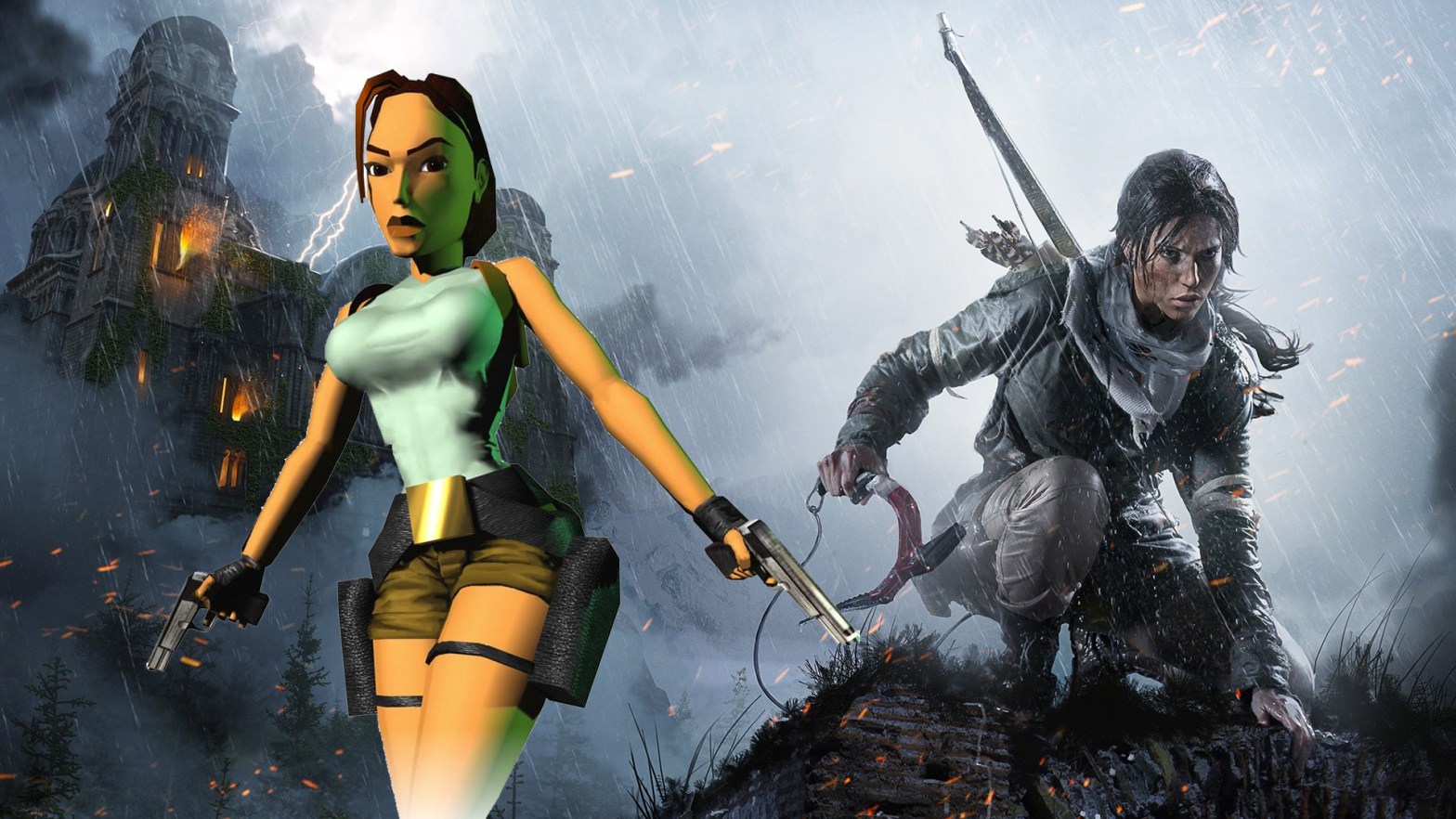
As someone who has been obsessed with film and television for most of my life, I must admit that video games have never really been my thing. I’ve played a fair few, especially as a teenager, but I would never classify myself as a ‘gamer’, and the thought of writing for video games has never previously crossed my mind. However, this week’s lecture has taught me a great deal I didn’t previously know about how writing in the games industry works, and what the role of video game writer looks like.
For one thing, writing for video games is something that has only existed within the last twenty years. Compared to over one hundred years of screenwriters working in film, video game writing is still in its infancy. This may explain why there is no set format or way of writing video games. Some approach cut scenes and non-interactive pieces like a script, whilst others work on choices and interactions through Excel. As someone who enjoys learning new technologies and skills, especially in writing, this is I would love to explore in more detail.
If television is the medium where showrunners rule the roost and importance is placed on the writers, video games seems to be the medium in which writers are considered the least essential. Some writers, such as one discussed in Tomb Raider writer Rhianna Pratchett’s TEDx Talk, are asked to write thousands of words in just a few weeks, a deadline even the most productive writers would struggle to meet.
While that sounds like a less-than-flattering portrait of the industry, there is also hope that the role of the writer in video games will continue to evolve and grow. BAFTA has recently introduced a Writing for Video Games category, while some of the biggest hits in recent years have placed greater focus top notch stories and scripting. Perhaps soon, games writing will become as prolific and recognised as writing for film and TV, which can only be a good thing for writers looking for more opportunities.
–Harry Ford
 Harry Ford - Comedian