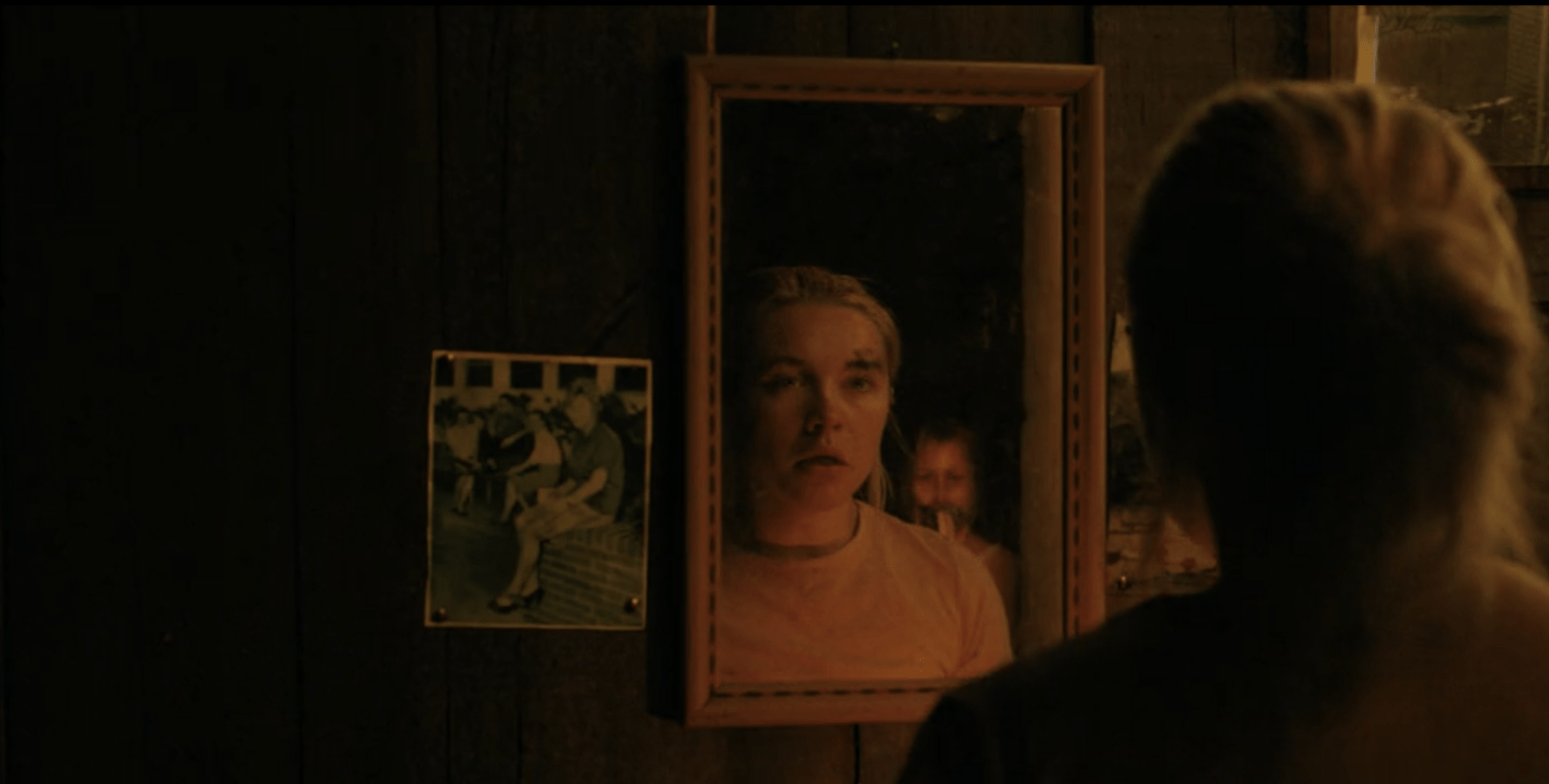
Before this week’s lecture, I had never considered creating mood boards as a writer. It makes sense to find reference pictures if you’re a director establishing a visual tone, or a cinematographer looking for inspiration, but a writer? However, having started creating a mood board for my feature project Dawn of Man, I’m beginning to see the potential. Establishing colour, tone, and imagery for a screenplay can be a useful tool for figuring out your chosen genre and visualising how the film should look.
For example, I see my protagonist Ted and his life at the start of the film as very clean, and just a little bit sterile. As he progresses further into ‘group therapy’, the film grows dark and shadowy, taking place in dingy basement rooms and remote mansions. By finding reference points for these scenes, I feel as if I have really got to the heart of what the film is, what it’s trying to do, and how I want people to feel as they watch it.
Of course, the other benefit to creating a mood board is in pitching. With a mood board, not only can you describe your narrative and get your ideas across, but you can help producers and filmmakers alike see your vision clearly and instantly get a feel for the tone of your project. Given how difficult pitching can be, useful and relevant visual references could be a big boost in making your project stand out.
The Dawn of Man mood board is very much a work in progress, but you can view it here.
–Harry Ford
 Harry Ford - Comedian