You can spend weeks and months writing drafts, outlines, treatments, and any other useful materials, but eventually, the time will come to sit down and start writing. It’s always a tense moment, knowing that all your hard work comes down to how good the resulting screenplay turns out to be. However, writers often focus so hard on making the first draft perfect, they forget the first draft is very much a work-in-progress.
First drafts rarely, if ever, nail everything perfectly. First drafts are usually messy, overlong, and/or badly written. The spelling is probably atrocious, the characters’ voices can blur into one, and dialogue spins its wheels. It’s very tempting to complete a first draft and assume you’ve written an awful monstrosity that must never see the light of the day.
*THIS IS PERFECTLY NORMAL*
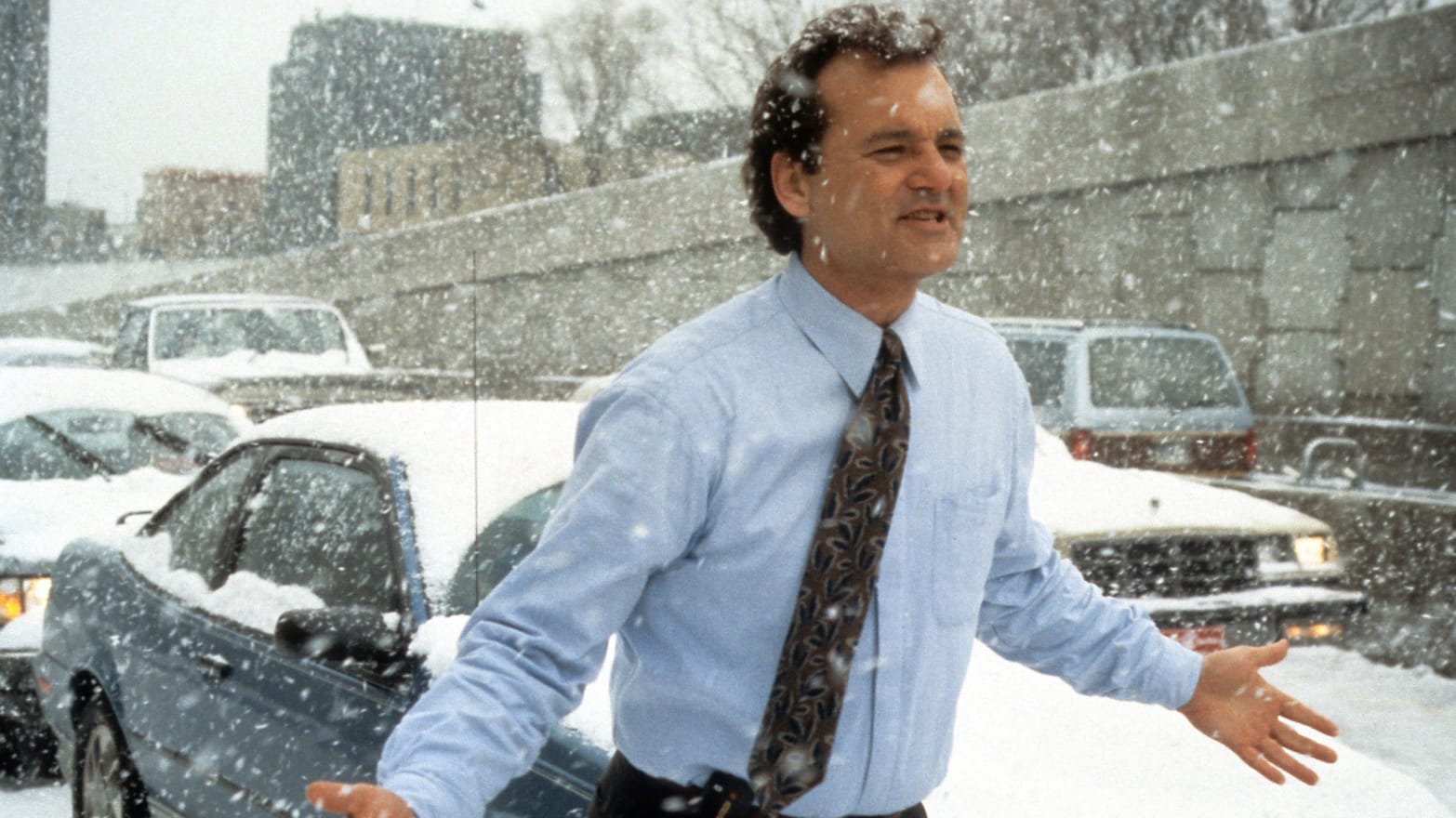
Stop thinking of a first draft as a working version of your screenplay, and start thinking of it as the foundations from which you will sculpt and perfect your narrative, characters, structure, and dialogue. It can be dispiriting to write a first draft that has obvious flaws, but don’t think of this as a negative. Instead, think of it as the first step towards writing a masterpiece. Even the greatest screenplays in history, like Groundhog Day, went through literally dozens of iterations to become the classics we all know and love.
As I start the first draft of my short film Nick Murphy’s Last Broadcast, I’m already aware of what issues I’m likely to face in my first draft. I’m probably going to make every speech and conversation at least two lines too long. It’s confined mostly to one room, which means I’m certain to forget about movement and action at some stage. I’ll probably forget all about structure and make it a rambling, long-winded 30 minute short when it needs to be a svelte 15 pages.
But that’s okay. That’s a job for the rewrite.
–Harry Ford
 Harry Ford - Comedian